
Etretat
Dramatic chalk cliffs and seaside village in Normandy
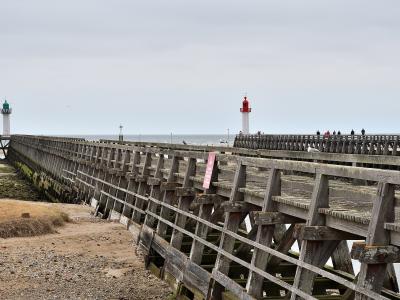
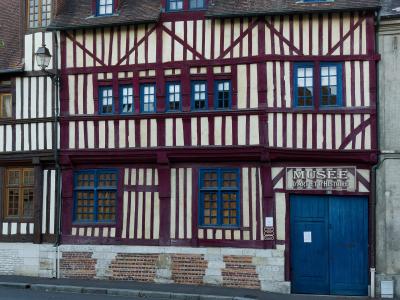
Étretat, situated in the Seine-Maritime department of the Normandy region, is a village defined by its extraordinary geological formations and maritime history. Historically, it was a modest fishing port, but its fame grew in the 19th century when it became a favorite destination for Romantic painters and writers. Artists such as Claude Monet, Gustave Courbet, and John Singer Sargent were captivated by the dramatic cliffs and the play of light on the sea, leading to the village's recognition as a center of artistic inspiration. The village's architecture reflects its Norman heritage, with traditional half-timbered houses and stone buildings lining the narrow streets. The harbor, once bustling with fishing boats, now serves as a picturesque backdrop for the town's cafes and restaurants.
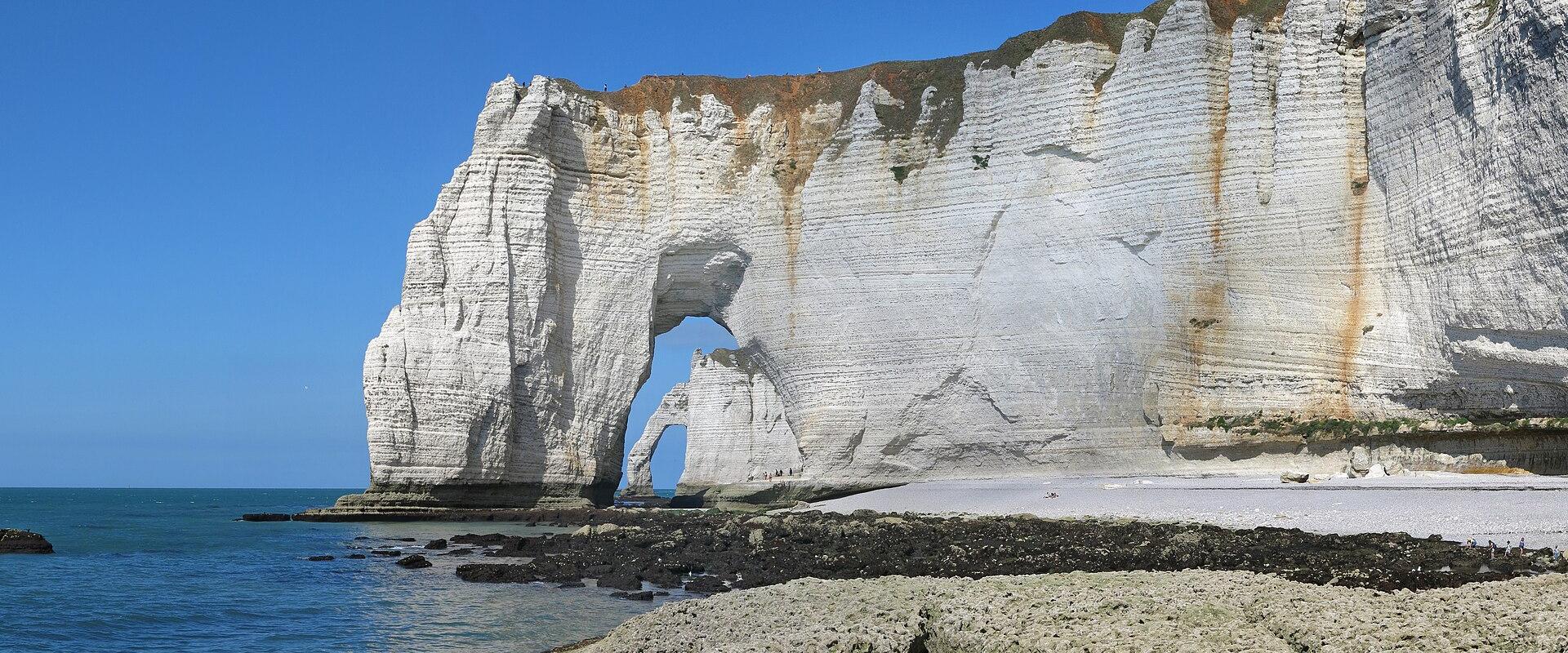
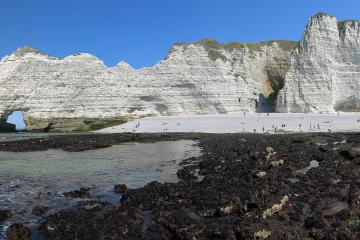
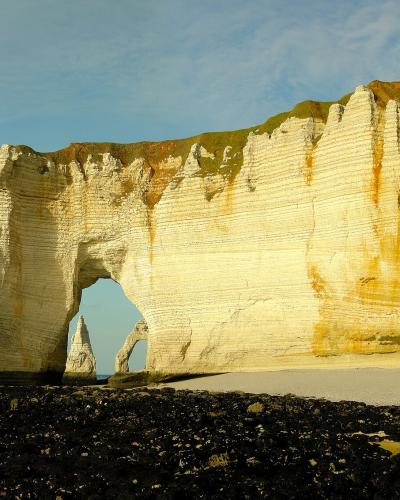
The main attractions in Étretat are its natural wonders. The Falaises d'Étretat, or Cliffs of Étretat, are the village's most iconic feature, consisting of four massive chalk arches and needles rising up to 110 meters above the sea. The most famous of these are the Porte d'Aval and Porte d'Amont, natural arches that frame the horizon, and the Aiguille d'Étretat, a towering needle of rock standing alone in the water. These formations have inspired countless paintings, photographs, and literary works. The village also offers access to the beach, which is accessible at low tide via a steep path or a funicular railway. The Musée des Beaux-Arts d'Étretat, located in a former convent, houses a collection of paintings and sculptures inspired by the village and the Normandy coast. The Jardin de l'Amiral Courbet, a private garden overlooking the cliffs, offers a peaceful retreat with exotic plants and stunning views.
Étretat offers various activities for visitors interested in nature, art, and leisure. Hiking along the cliff tops provides breathtaking panoramic views of the coastline and the surrounding countryside. The GR21 coastal path connects Étretat to nearby towns like Fécamp and Veules-les-Roses, offering scenic walks. Boating trips are available to explore the base of the cliffs and the natural arches from the water. The village also hosts various cultural events, including art exhibitions and music festivals. The local cuisine features fresh seafood, including Normandy oysters, mussels, and fish, often paired with local cider and wine. The nearby town of Fécamp offers additional attractions, including the Fécamp Abbey and the Musée de la Marine.
Getting to Étretat is convenient via train, with regular services from Paris to Le Havre or Fécamp, followed by a bus or taxi ride to the village. For those traveling by car, Étretat is accessible via the A29 motorway. The best time to visit Étretat is from late June to mid-September, when the weather is warm and pleasant, ideal for outdoor activities and exploring the cliffs. July and August are the warmest months, but also the busiest, with larger crowds and higher prices. Spring and autumn offer milder weather and fewer crowds, making them suitable for sightseeing and hiking. Winter is cooler and wetter, but offers a serene atmosphere and dramatic stormy seas. Étretat combines natural beauty, artistic heritage, and maritime charm, making it a compelling destination for travelers seeking a unique coastal experience.
Best Time to Visit
Late June to mid-September offers warm weather and ideal conditions for outdoor activities and sightseeing.
Did you know?
Interesting, verified facts about Etretat
Etretat Has a Distinct Local Story
HistoryÉtretat, located in the Seine-Maritime department of the Normandy region, is a coastal village globally renowned for its striking white chalk cliffs and natural arches.
Source: Étretat — WikipédiaPlan Your Visit to Etretat
Essential travel tips and information for your trip to Etretat.
Suggested Itineraries
One Day in Etretat
1 dayPerfect for a quick visit. See the main highlights and get a taste of local culture.
Extended Etretat Experience
2-3 daysComprehensive exploration including nearby attractions and cultural experiences.
Travel Tips
Currency
EUR • Cards widely accepted
Language
French • English in tourist areas
WiFi
Free WiFi in cafes and hotels
Explore Etretat by Interest
Discover attractions and experiences in Etretat organized by your interests and travel preferences.
All attractions in Etretat
Sorted by our recommendation score
Quick Facts
Book your stay
Frequently Asked Questions
More destinations in Normandy
Explore other amazing places in the Normandy region