







- Where
- Rouen, Normandy
- Directions
- Directions
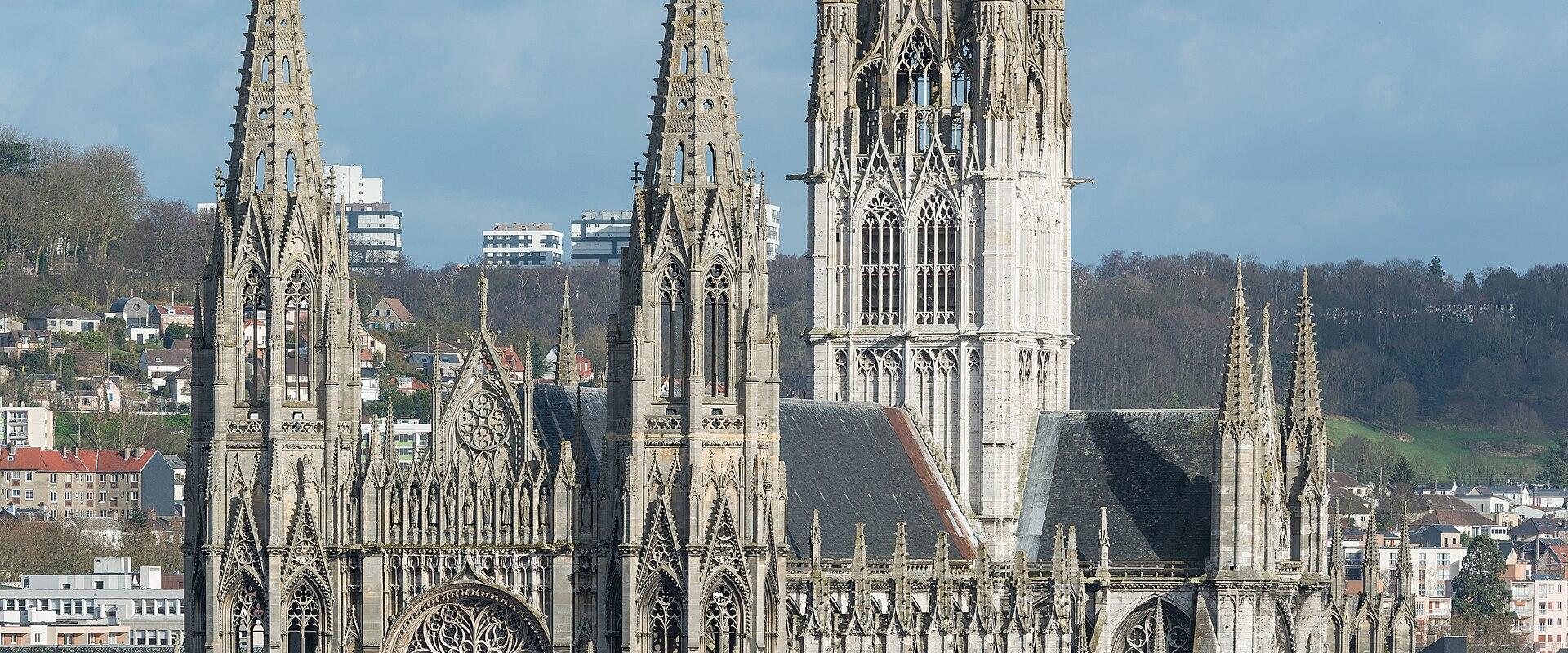
Rouen has two great Gothic churches within a few hundred metres of each other, and the Église Saint-Ouen is the one that visitors often discover second. The cathedral is more famous, thanks to Monet's paintings, but many architectural historians consider Saint-Ouen the purer and more harmonious building. It was the church of a powerful Benedictine abbey, one of the richest in Normandy, and its scale and design reflect that status. The church is named for Ouen, a bishop of Rouen in the seventh century who is said to have been buried at the abbey.
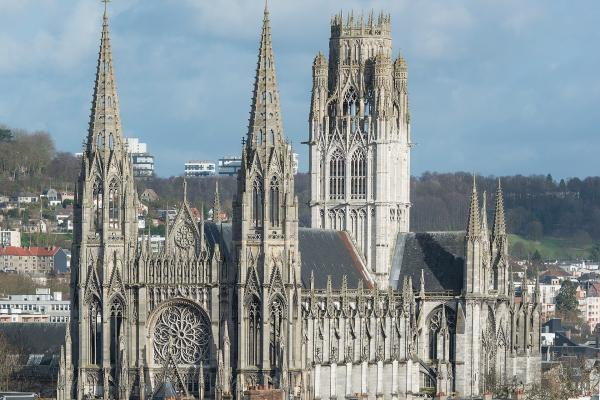
The present building was begun in 1318 to replace a Romanesque church that had been damaged by fire, and its construction stretched over two centuries, interrupted by the Hundred Years' War. Unusually, the design remained remarkably consistent despite the long timescale, and the result is a masterpiece of the Rayonnant Gothic style. The church is more than 130 metres long, its nave is lofty and uniform, and its great windows fill the interior with light. A central lantern tower, topped with Flamboyant decoration, rises over the crossing, and the chevet at the east end is ringed by a series of chapels. The Marmousets Portal on the south side takes its name from the small carved figures in its decoration. The west facade, though, belongs to the nineteenth century, when it was completed in the Gothic style.
Inside, the first impression is of height and clarity, with slender piers soaring to the vaults and very little ornament to distract from the architecture. The stained glass, much of it from the fourteenth century, is among the finest of its date in France and shows scenes from the lives of saints and from the Bible, with deep blues and reds, while the windows of later periods add variety. The great organ, built by Aristide Cavaillé-Coll in 1890, is regarded as one of the finest of its kind in France, and recitals make use of the church's acoustics. Because of its size, the church often feels spacious and calm even on busy days.
The abbey gardens beside the church are now the city hall gardens, with lawns and a formal layout. The other sights of Rouen are within walking distance. The Place du Vieux-Marché, where Joan of Arc was burned in 1431, the Rue du Gros-Horloge, the Palais de Justice and the Musée des Beaux-Arts de Rouen are all nearby, as are the Musée de la Céramique and the Musée de la Mode et du Textile, and the Jardin des Plantes lies further out. Rouen Cathedral, with its flamboyant west front, is only a short walk, and visiting both gives a chance to compare two approaches to Gothic design.
The church suits architecture lovers, music enthusiasts and travellers interested in medieval history. Entry is usually free, but opening times vary, and restoration work may restrict access to some areas, so check locally before going. Allow around an hour, and visit in the afternoon, when sunlight moves across the stained glass.
Categories
More photos coming soon
Nearby Attractions
Other places to visit in Rouen
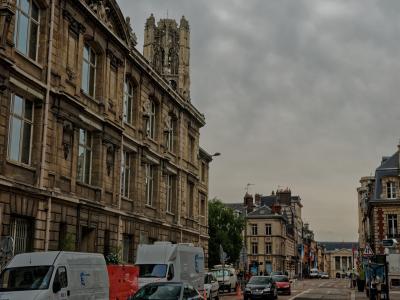
Musée des Beaux-Arts de Rouen
15th-century art, Impressionist masterpieces, and Caravaggio
Free Museums & Culture · Art Museums
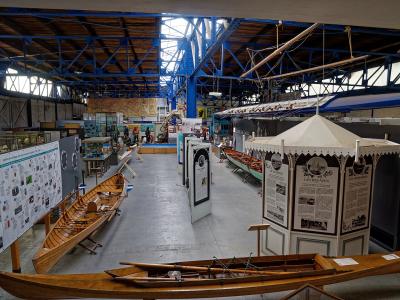
Musée Maritime, Fluvial et Portuaire
Historic port museum with 2,000+ ship models
Harbors · History Museums
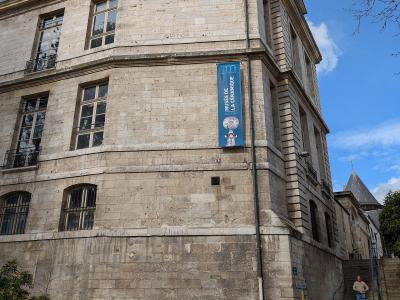
Musée de la Céramique
17th-century palace housing France's largest Rouen earthe...
Historic Architecture · Museums & Culture
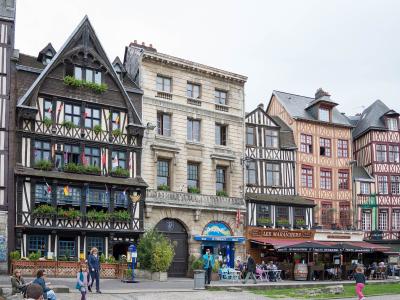
Place du Vieux-Marché
Historic square marking Joan of Arc's execution site
Free Churches · Historic Towns
Questions people ask
Quick Facts
Best Time to Visit
Late June to early September offers warm weather and ideal conditions for outdoor activities and sightseeing.