







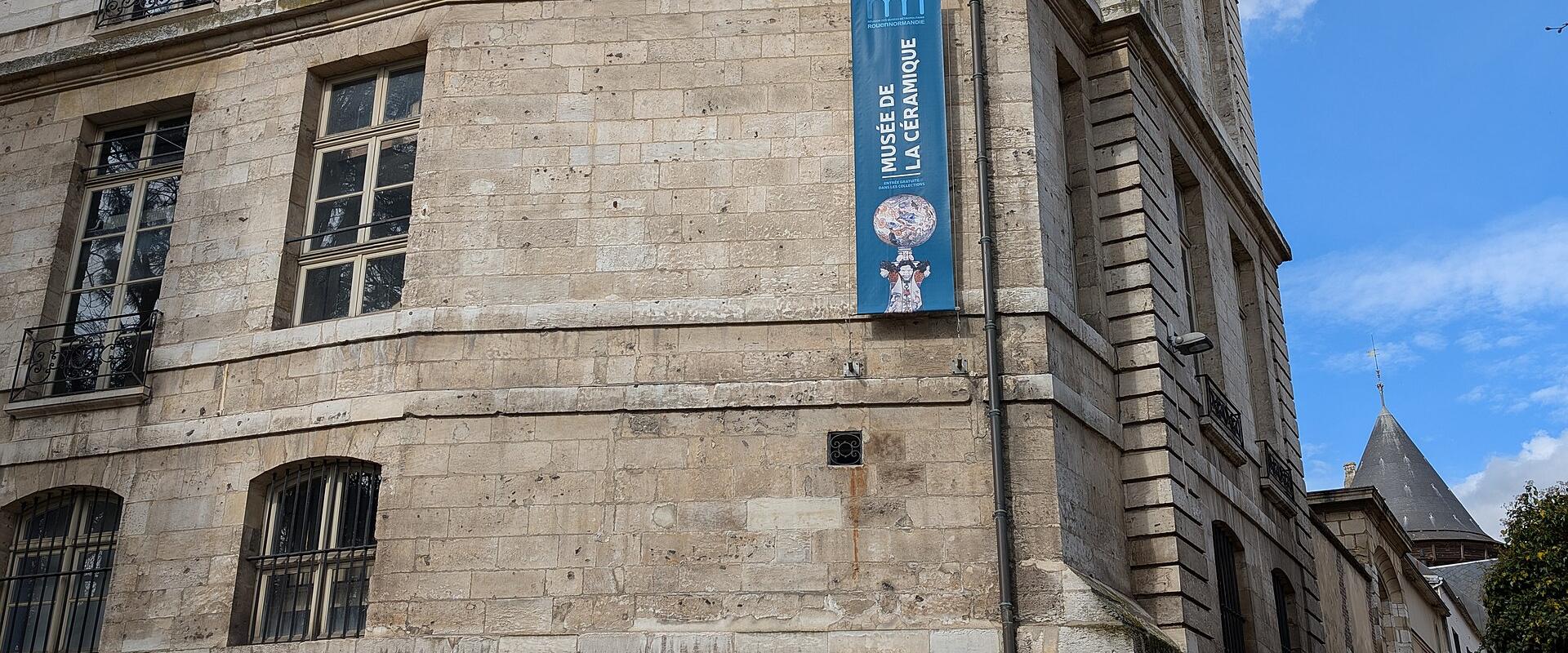
Musée de la Céramique
17th-century palace housing France's largest Rouen earthe...
- Where
- Rouen, Normandy
- Directions
- Directions
The Musée de la Céramique in Rouen is the best place in France to learn about Rouen earthenware, the tin-glazed pottery, known as faïence, that made the city famous in the seventeenth and eighteenth centuries. It stands on the Rue Faucon, in the Hôtel d'Hocqueville, a town house of the seventeenth century built for a wealthy local family, and its courtyard and rooms give the collections a pleasant setting. The museum has the status of a Musée de France, and it faces the Musée des Beaux-Arts across the square, so both can be visited together.
Rouen faïence has a long history. A craftsman named Masseot Abaquesne, working in Rouen in the 1540s, is regarded as the first French painter of faïence, and made vividly coloured tiles and dishes in the Renaissance style. In the seventeenth century, the potter Louis Poterat obtained the royal privilege to produce faïence in Rouen, and the industry expanded. The city's workshops became among the most prolific in France, and during the long reign of Louis XIV some potters answered the king's call for silver tableware to be melted down by supplying decorated pottery as an alternative. The style of decoration moved from blue-and-white wares inspired by Chinese porcelain to rich designs of lambrequins, which are scalloped hanging motifs, and radiating patterns, the style called rayonnant, in blue, red and other colours.
The museum holds the largest public collection of Rouen faïence in the country, from the sixteenth to the end of the eighteenth century, and it displays plates, vases, jugs, wall fountains, tiles and decorative objects. Alongside them, a smaller selection shows faience and porcelain from other French centres and from abroad, so visitors can compare different traditions and techniques. The rooms are arranged by period, with notes on the manufacture and the history of the workshops.
The museum offers a shop, a left-luggage service and a picnic area, and staff speak French, English and German. It accepts several forms of payment. As hours and prices change, check the museum's website before your visit. Allow an hour.
The museum suits lovers of decorative arts, those who are interested in industrial history and visitors who want to see Rouen beyond its cathedral. It is close to the Musée des Beaux-Arts de Rouen, the Jardin des Plantes and the Église Saint-Ouen, and the Rue du Gros-Horloge is a short walk away.
Categories
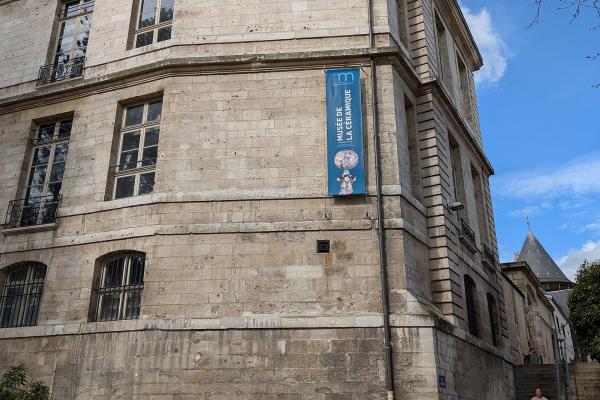
More photos coming soon
Nearby Attractions
Other places to visit in Rouen
Musée des Beaux-Arts de Rouen
15th-century art, Impressionist masterpieces, and Caravaggio
Free Museums & Culture · Art Museums
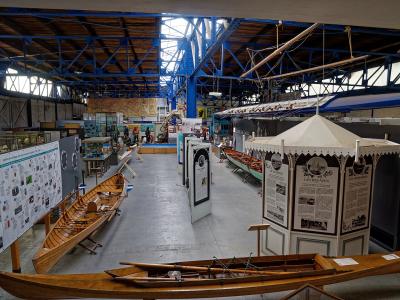
Musée Maritime, Fluvial et Portuaire
Historic port museum with 2,000+ ship models
Harbors · History Museums
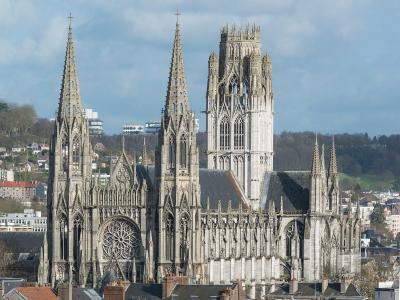
Église Saint-Ouen
14th-century stained glass and Cavaillé-Coll organ
Architectural Landmarks · Churches
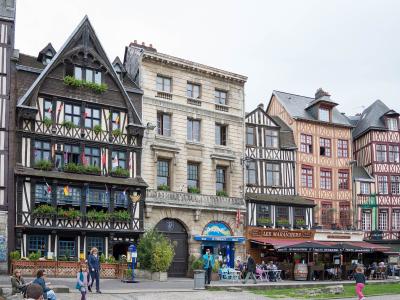
Place du Vieux-Marché
Historic square marking Joan of Arc's execution site
Free Churches · Historic Towns
Questions people ask
Quick Facts
Best Time to Visit
Late June to early September offers warm weather and ideal conditions for outdoor activities and sightseeing.