







- Admission
- Free admission
- Hours
- Open-air market operates on a centuries-old tradition.
- Where
- Rouen, Normandy
- Directions
- Directions
The Place du Vieux-Marché in Rouen is the square where Joan of Arc was burned at the stake on 30 May 1431, and the place carries that history lightly but clearly. Joan had been captured by the Burgundians, sold to the English and put on trial for heresy in Rouen by a court led by Bishop Pierre Cauchon. She was condemned and executed in what was then the city's main market square. A tall cross near the church marks the spot where the pyre was believed to have stood, and the nearby Historial Jeanne d'Arc, a museum in the old archbishop's palace, tells her story in detail.
The church that dominates the square is the Église Sainte-Jeanne-d'Arc, completed in 1979 and designed by the architect Louis Arretche. It is a bold modern building, with a curved roof of slate and metal scales that is often compared to an upturned Viking longship or a fish, and a tall cross rising from the roofline. The design can be a surprise in a city of medieval half-timbered houses and Gothic churches, but it fits the site, as the roof seems to rise from the ground like a flame. The most remarkable feature inside is a set of Renaissance stained-glass windows from the earlier church of Saint-Vincent, which stood in the centre of Rouen and was destroyed in the bombing of 1944. The windows had been taken down for safety and were installed in the new church, so the inside has a glow of sixteenth-century glass in a modern concrete and timber space.
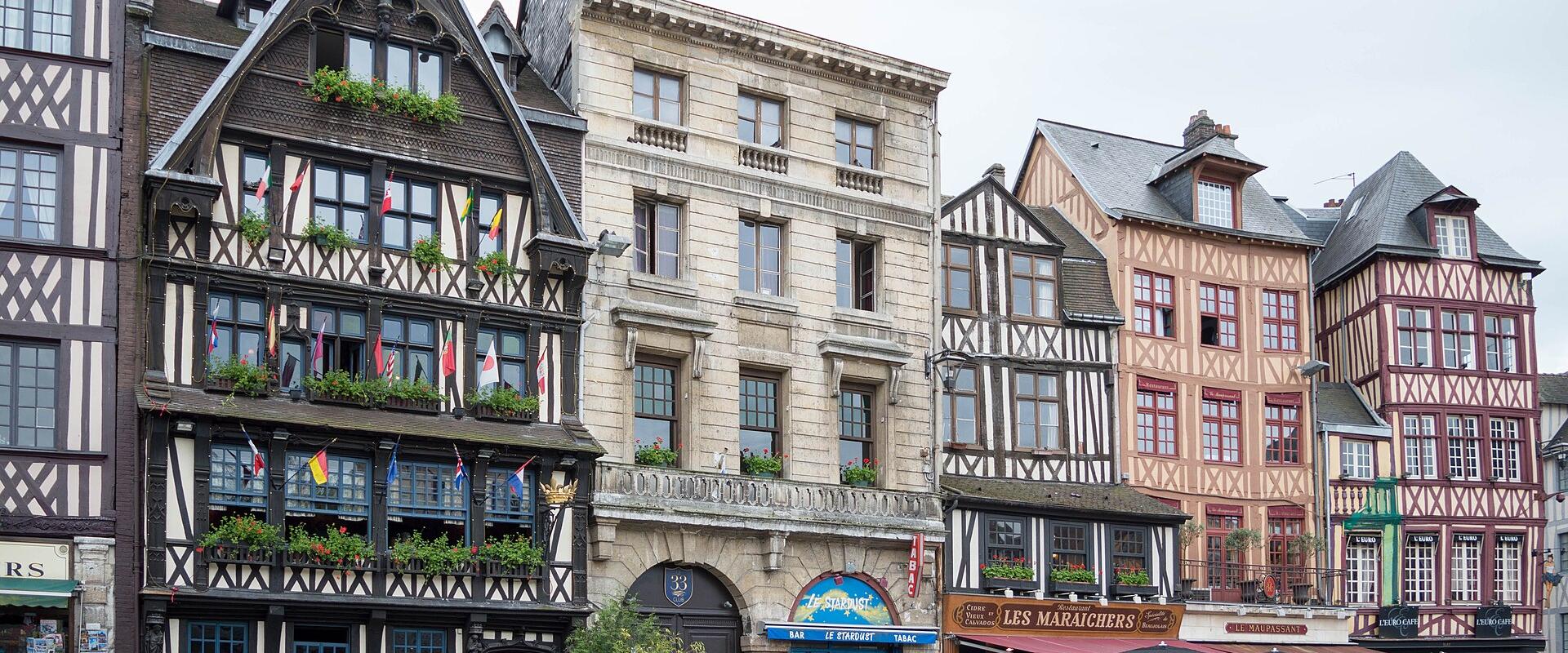
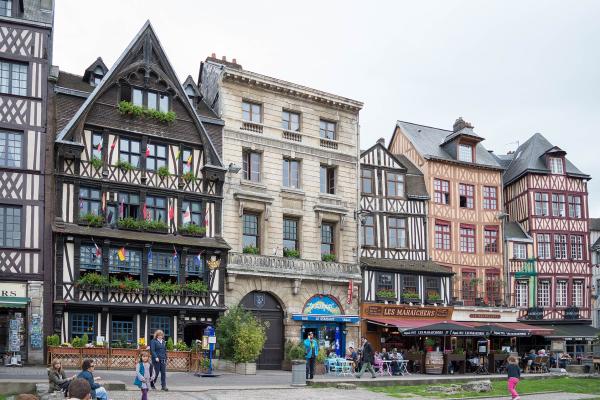
Next to the church stands the covered market hall, with a modern design that echoes the church roof, and the square is still used for a market, selling vegetables, fruit, cheese, fish and local produce. The market runs on several mornings of the week, and it is the place to see Normandy products such as cider, apples and Neufchâtel cheese. The square is lined with cafés and restaurants, and one of them, La Couronne, claims to be the oldest inn in France, dating from the fourteenth century, which adds another layer of history to the setting.
The square lies at the western end of the old town, on the other side of the Rue du Gros-Horloge, the pedestrian street with its great Renaissance clock arch. From here you can walk to the Palais de Justice, the Cathédrale Notre-Dame de Rouen, which Claude Monet painted in a famous series, and the Église Saint-Ouen. The Musée des Beaux-Arts de Rouen, the Musée de la Céramique and the Jardin des Plantes are within reach by bus or on foot, and the Seine quays and the Musée Maritime, Fluvial et Portuaire show another side of the city.
The square is open at all times and free to visit. A visit to the church and the memorial takes thirty to forty-five minutes, and a longer stop for the market and lunch makes a good half-day. It suits history lovers, architecture fans and anyone who wants to understand the Rouen of Joan of Arc.
Categories
More photos coming soon
Hours & Fees
- Open
- Open-air market operates on a centuries-old tradition.
- Admission
- Free admission
Hours and prices change, especially out of season. Check with the venue before you go.
Nearby Attractions
Other places to visit in Rouen
Musée des Beaux-Arts de Rouen
15th-century art, Impressionist masterpieces, and Caravaggio
Free Museums & Culture · Art Museums
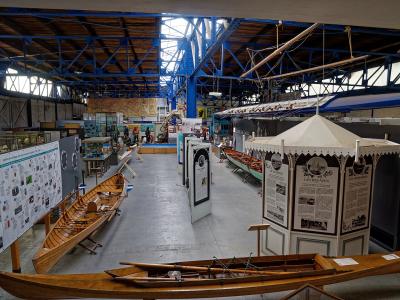
Musée Maritime, Fluvial et Portuaire
Historic port museum with 2,000+ ship models
Harbors · History Museums
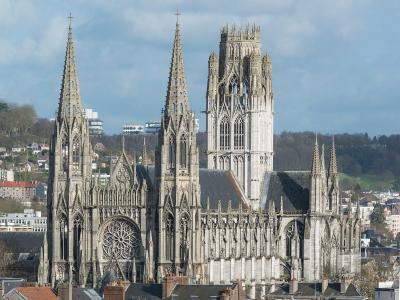
Église Saint-Ouen
14th-century stained glass and Cavaillé-Coll organ
Architectural Landmarks · Churches
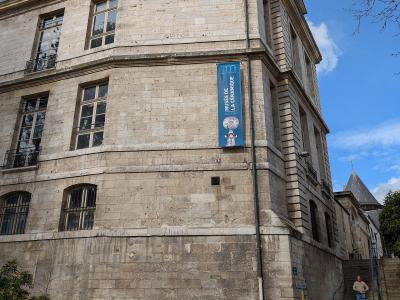
Musée de la Céramique
17th-century palace housing France's largest Rouen earthe...
Historic Architecture · Museums & Culture
Questions people ask
Quick Facts
Best Time to Visit
Late June to early September offers warm weather and ideal conditions for outdoor activities and sightseeing.