







- Where
- Rouen, Normandy
- Directions
- Directions
Textiles are part of the story of Rouen, a city on the Seine that for centuries lived from the cloth trade. The Rouen area was one of the great centres of the French cotton and wool industries, and its valleys of the Cailly and Robec rivers, with fast water to drive the mills, were lined with spinning mills, weaving sheds and dye works. The history of fashion and textiles here is therefore one of local industry and everyday work as much as of elegance, and it can be understood in several places in and around the city.
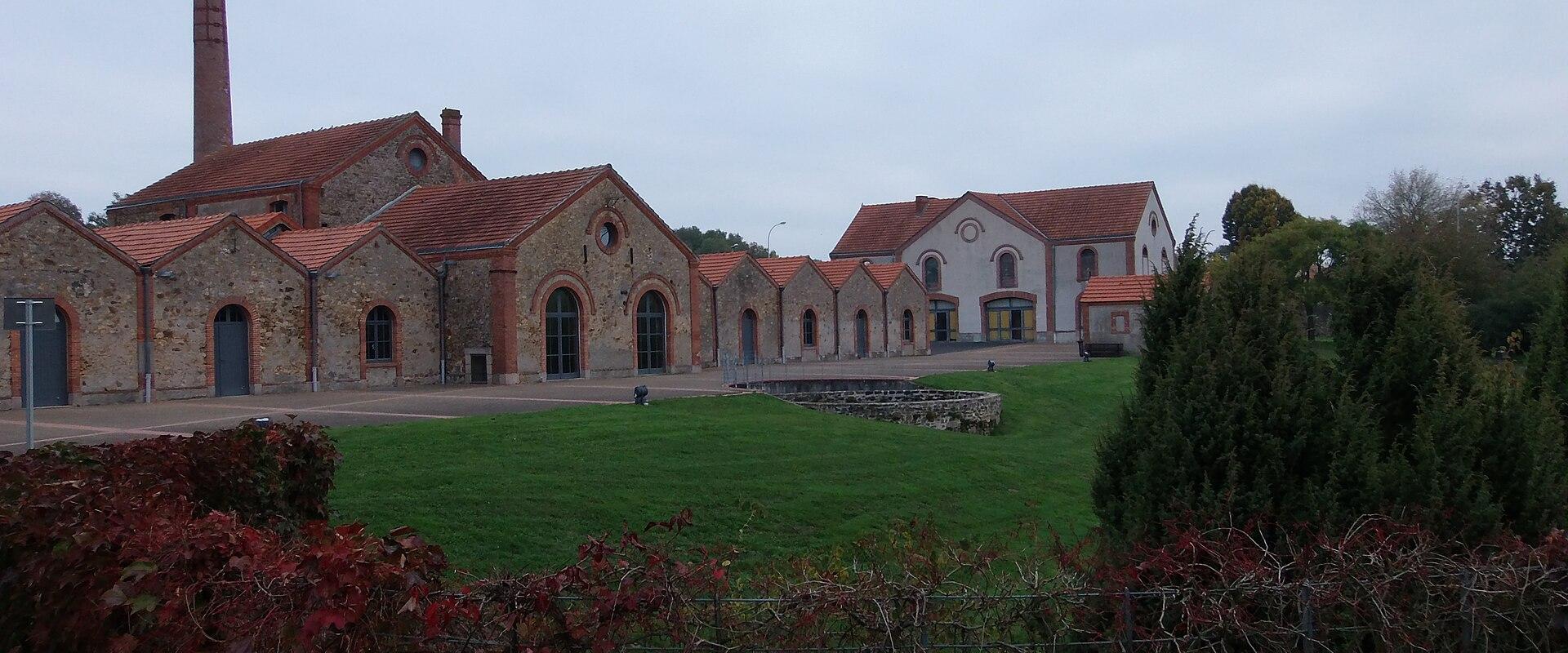
The cloth trade of Rouen goes back to the Middle Ages, when the city was already known for its woollen and linen cloth. In the seventeenth and eighteenth centuries, a new product made the area wealthy: the rouennerie, a cotton cloth woven from dyed yarn in checks and stripes, and the printed cotton known as indienne, whose colourful patterns, inspired by fabrics imported from India, became fashionable across Europe. The workshops of Rouen and its valleys printed and dyed large quantities of cloth, and merchants grew rich. In the nineteenth century, mechanisation brought spinning and weaving factories to the valleys, with thousands of workers, and Rouen became known as a major centre of the cotton industry, sometimes compared with Manchester. The decline of the industry in the twentieth century left old mills, which have been converted to housing and cultural uses.
Those interested in the subject can find exhibits on textile production and costume in the museums of the region. Collections of historical garments, lace, printed cloth and tools show the techniques of spinning, weaving, dyeing and printing, and the changes in fashion over the centuries, from the stiff gowns of the eighteenth century to the practical clothes of the factory worker and the ready-to-wear styles of the modern period. The nearby industrial museum in the Cailly valley and the textile heritage centre in the town of Elbeuf, a former wool-making town upriver, give a wider view of the industry's history.
In the city, other museums add to the picture. The Musée des Beaux-Arts de Rouen has a major collection of paintings, including works by the Impressionists, and the Musée de la Céramique, in a Renaissance mansion, shows the faience for which Rouen was famed. The Musée Maritime, Fluvial et Portuaire explores the river trade. The city's Gothic monuments, the cathedral that Monet painted, the church of Saint-Ouen and the Palais de Justice, are within a short walk, as is the Rue du Gros-Horloge with its great Renaissance clock, and the Place du Vieux-Marché, where Joan of Arc was executed in 1431. The Jardin des Plantes provides a green break.
The subject suits those with an interest in fashion, craft or industrial history, and a visit to a textile museum can take an hour or two. Opening hours vary and some museums close on Mondays and holidays, so check with the tourist office before travelling.
Categories
More photos coming soon
Nearby Attractions
Other places to visit in Rouen
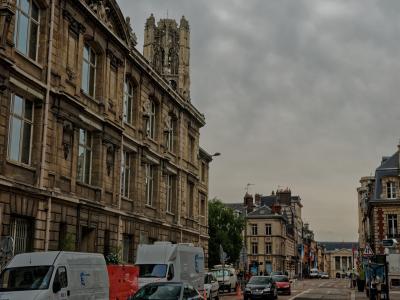
Musée des Beaux-Arts de Rouen
15th-century art, Impressionist masterpieces, and Caravaggio
Free Museums & Culture · Art Museums
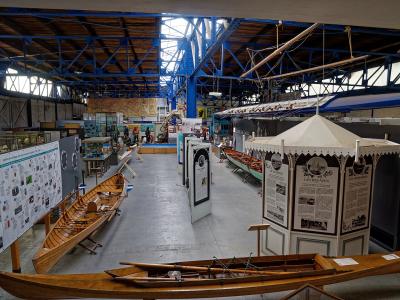
Musée Maritime, Fluvial et Portuaire
Historic port museum with 2,000+ ship models
Harbors · History Museums
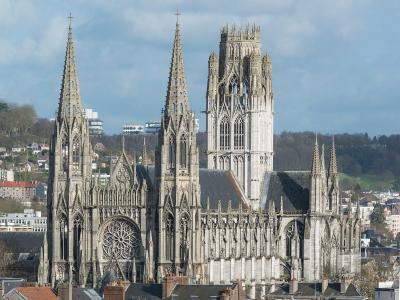
Église Saint-Ouen
14th-century stained glass and Cavaillé-Coll organ
Architectural Landmarks · Churches
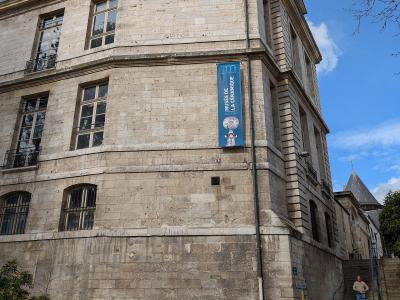
Musée de la Céramique
17th-century palace housing France's largest Rouen earthe...
Historic Architecture · Museums & Culture
Questions people ask
Quick Facts
Best Time to Visit
Late June to early September offers warm weather and ideal conditions for outdoor activities and sightseeing.