Ajaccio as a Beach Base
Ajaccio, Corsica's capital, sits on the north shore of a wide gulf on the island's west coast. It is one of the easiest places in Corsica to combine a town break with beach days: there is a small beach right in the centre, a string of coves along the coast road to the west, longer sandy beaches to the east near the airport, and a harbour full of excursion boats. Summer, roughly June to September, brings warm sea temperatures and busy beaches, with July and August the most crowded months.
Beaches in Town
The closest sand to the old town is the Plage Saint-François, below the citadel walls, a few minutes' walk from the cathedral and the house where Napoleon was born. It is a small, sheltered town beach, convenient for a swim between sightseeing rather than a full day. Facilities are basic and it fills up quickly in high season.
The Route des Sanguinaires
West of the centre, the D111 coast road, known as the Route des Sanguinaires, runs about a dozen kilometres along the northern shore of the gulf to the Pointe de la Parata. Along it is a series of beaches and coves of sand and rock, some with beach clubs and restaurants, others with little more than a parking lay-by and a path down. Many are sheltered from the prevailing westerly winds by the headland and slope gradually, which makes them popular with families; conditions vary from cove to cove, so look before you settle in.
You can drive, though parking along the road is tight in July and August. A city bus line also runs out along the road towards the Parata in summer; check the current timetable on the Ajaccio bus network's website.
The Parata Headland
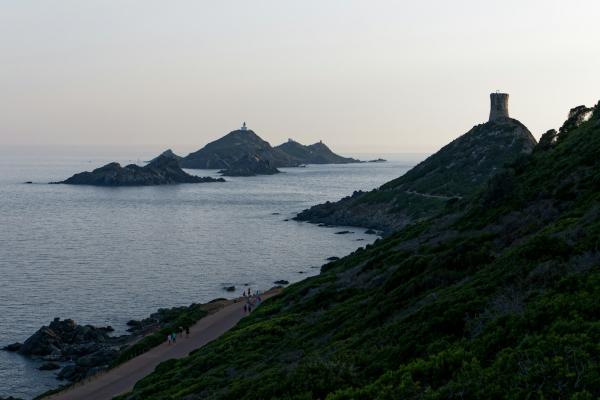
The road ends at the Pointe de la Parata, a granite headland that is part of the Grand Site de France network. There is a car park at the end of the road, and from there a footpath climbs to a Genoese watchtower built in the 16th century, with views straight out to the Sanguinaires islands. The walk is short but exposed, with no shade, so go early in the day or for sunset, wear proper shoes and take water. The headland is a protected natural area: stay on the paths.
Boat Trips to the Sanguinaires
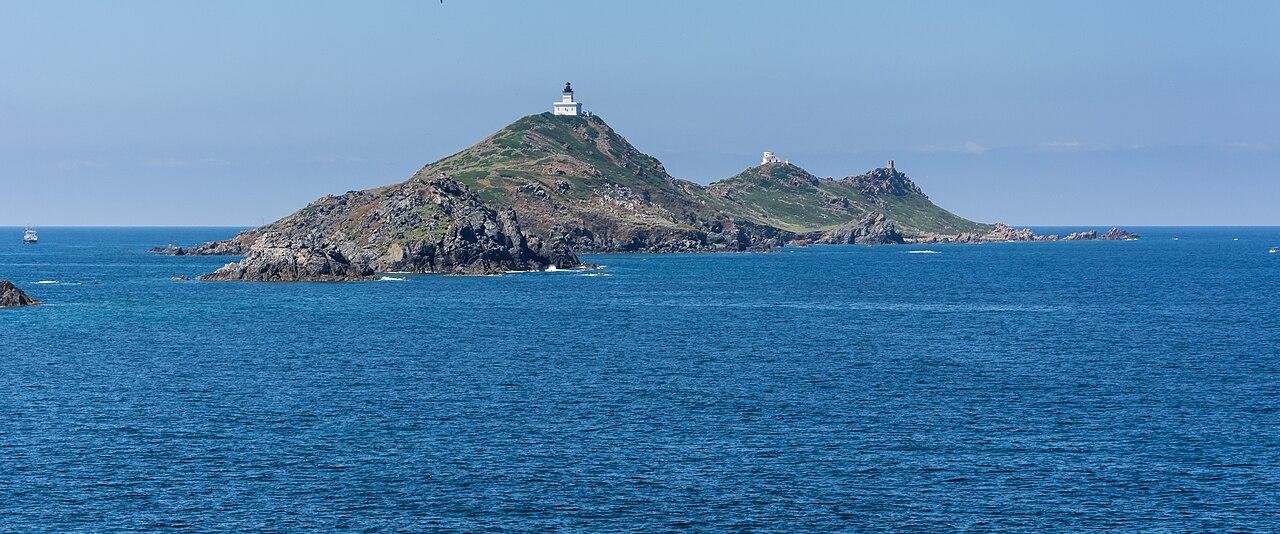
The Sanguinaires are four small islands of dark red rock at the mouth of the gulf, protected as a Natura 2000 site for seabirds and rare coastal plants. The largest, Grande Sanguinaire, carries a lighthouse dating from 1870. On Mezu Mare, the remains of a 19th-century quarantine station (lazaret) and a former semaphore station can be visited when boats land there.
Several companies run excursions from Ajaccio's harbour by the Tino Rossi port, typically in summer. Formats include:
- Classic cruises of about three hours, sailing along the coast to the islands, often with a stop ashore on Mezu Mare.
- Sunset trips of two to three hours, timed for the light on the red rock.
- Smaller boats and RIBs with swimming and snorkelling stops, some with optional pick-ups along the Route des Sanguinaires or at Porticcio across the gulf.
Itineraries change with the weather and sea state, and trips can be cancelled when the wind is strong. Compare a few operators at the harbour kiosks or online, book a day or two ahead in high season, and confirm whether the trip lands on the islands or just circles them.
Further Afield by Sea
Longer day cruises from Ajaccio head north along the coast to the Gulf of Porto, including the Calanques de Piana and the Scandola nature reserve, both part of a UNESCO World Heritage Site. These are full-day trips with long sailing times, and the open-water crossing can be rough, so they suit people who are comfortable on boats. The reserve's marine area is strictly protected, and boats view it from the water.
Practical Tips for a Summer Visit
- Sun and heat: Shade is scarce on most beaches. Bring a parasol or use beach-club loungers, and plan the Parata walk for early morning or evening.
- Wind: The coast is exposed to the libeccio, a south-westerly wind that can raise waves quickly. Watch the beach flags and lifeguard instructions where present.
- Water shoes: Useful on the rockier coves.
- Respect the marine environment: Seagrass meadows of Posidonia grow in the gulf; boats are asked not to anchor on them, and swimmers should leave sea life where it is.
- Crowds: In July and August, arrive at popular beaches before 10am or after 4pm.