

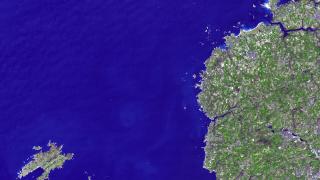
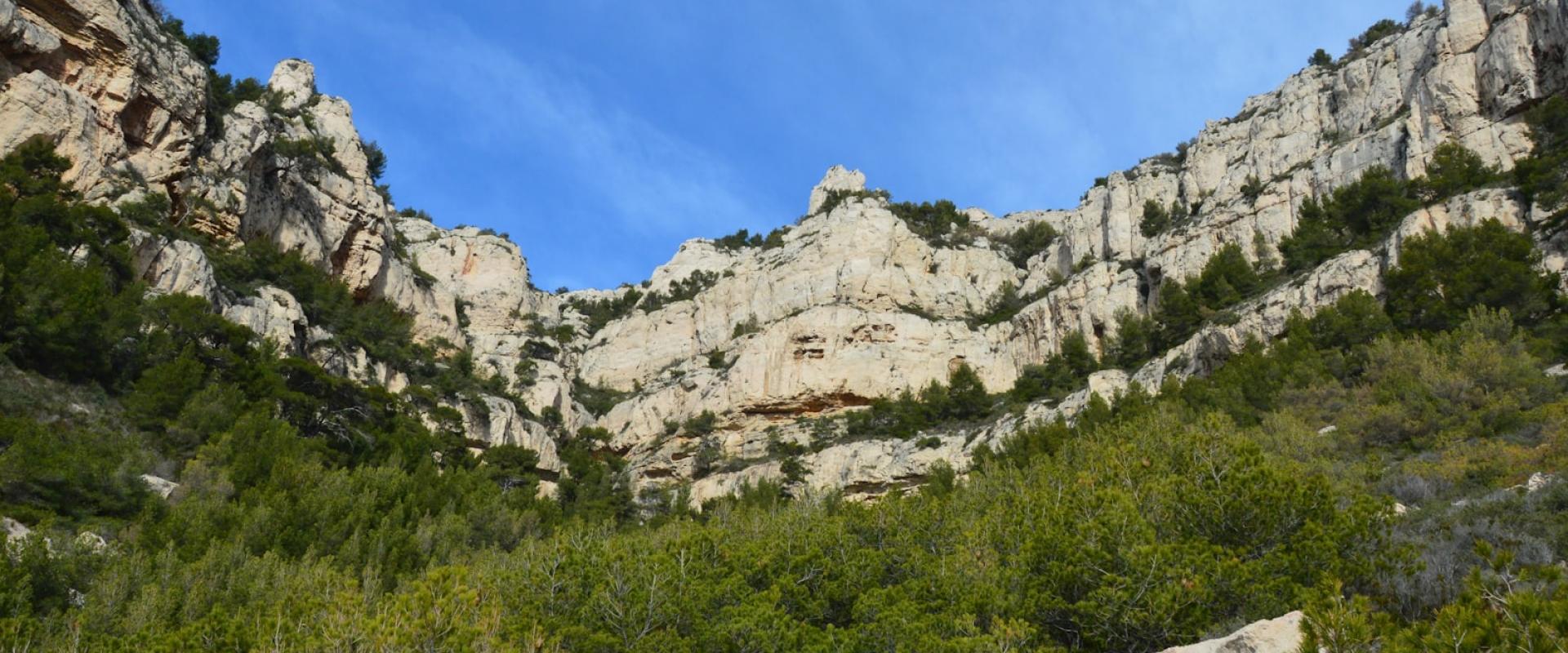
The Gulf of Porto does not merely exist; it imposes itself. From the rim of the calanques, the UNESCO-listed red granite cliffs plunge vertically into the azure Mediterranean, creating a geological theater that feels both ancient and violently immediate. You are standing at the edge of a living museum where wind and water have been the primary sculptors for millennia.
Historic mule tracks, identified by subtle blue dots, weave through this protected reserve. These paths, linking Piana to Ota, were carved by travelers centuries ago and remain the only viable route to the coastline. The ascent involves a steady 320-meter gain, requiring roughly two hours and fifteen minutes to complete. This is not a casual stroll; it is a moderate challenge that demands sure footing and respect for the incline.
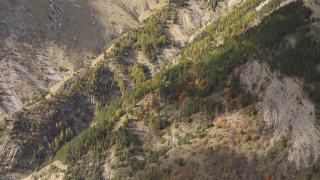
Look toward the D81 road to spot the Château-Fort, a rocky promontory that juts out like a sentinel guarding the bay. From the summits, panoramic views reveal the intricate geometry of the calanques. The terrain here is uneven, composed of loose scree and exposed rock that tests your balance at every step. Sturdy boots are essential to navigate these slippery surfaces safely.
The lack of shade on the exposed granite means dehydration sets in quickly. Carry ample water, especially for the final push to the Tête de Chien viewpoint, which adds forty minutes to your trek. The air carries the scent of dry maquis, while the only sound is the quiet hum of nature and the crunch of your own footsteps.
Plan your route with dusk in mind. The trail is well-maintained but offers no shelter from the midday sun, so check the forecast before you depart. Stay strictly on the marked paths to protect the fragile ecosystem beneath your feet. This segment of the coast blends rugged history with raw natural beauty, leaving you with memories of crimson stone against deep blue water. Hike with respect, and the giants will let you pass.
The Ascent: Gear and Physical Demands
Corsica’s UNESCO-listed red granite demands serious respect before you take a single step. You are facing a steep climb of 320 meters over just 710 meters of horizontal distance. This intensity means your preparation must be rigorous.
Footwear is your first line of defense. The historic mule track is uneven, and the granite turns slippery when dry or dusty. Sturdy hiking boots with aggressive tread are non-negotiable. Pair them with moisture-wicking clothing to manage the sweat produced by such intense exertion.
Hydration requires specific attention, not just generic advice. The exposed granite offers little shade, and the Corsican sun is unforgiving. Carry at least two liters of water per person. Without adequate fluid intake, fatigue sets in quickly at altitude.
Sun protection is equally critical. Pack a wide-brimmed hat and high-SPF sunscreen. Temperatures rise rapidly once you leave the valley floor. Starting early helps you avoid the midday heat and ensures you have ample daylight for the return journey.
Navigation relies on more than just memory. The trail is marked with blue dots, but visibility can shift rapidly in this terrain. Cell service is unreliable in the Gulf of Porto, so bring a physical map or a GPS device. Check the forecast with Météo-France beforehand.
Safety hinges on staying alert and on the path. The ecosystem here is fragile; stepping off the trail causes unnecessary damage. A small first-aid kit is essential for minor scrapes. Trust in your preparation, not luck.
The route takes approximately two hours and fifteen minutes. Views are earned through effort, so watch your step. Enjoy the journey responsibly, knowing your safety depends on proper gear and physical readiness.
Chasing Light: Photographic Hotspots
The Calanques de Piana demand patience, but the payoff is immediate. Start your ascent at the Château-Fort promontory, where the historic mule trail winds upward through exposed granite. This 710-meter climb isn’t for the faint of heart; the terrain is uneven, and steep sections near the summit require sturdy footwear and steady hands. Yet, the physical effort dissolves the moment you reach the ridge. Here, the Gulf of Porto unfurls below, a stark contrast of deep blue water against the region’s signature red stone.
Timing is everything. Arrive before 6 PM to catch the golden hour, which ignites the warm hues of the rock and softens the harsh midday shadows. Clear skies are non-negotiable for crisp images, so check local weather conditions before you depart. The light here shifts rapidly, especially as the sun dips toward the horizon. A polarizing filter becomes essential to cut through the glare off the water and enhance the saturation of the granite. Bring a tripod, too; the wind at this elevation can be surprisingly fierce, and long exposures will bring out the texture in the stone without blurring the details.
From this vantage point, the Scandola nature reserve sits in the distance, a silhouette against the sky. The silence of the coast aids concentration, allowing you to focus on the interplay of shadow and light. Pack water and snacks, as the lack of shade on the exposed trail makes hydration critical. Blue dot markers guide the way, but stay alert for the narrow paths that cling to the cliffside. Hikers typically report a two-hour return journey, a pace that allows for lingering over compositions rather than rushing.
Photographers will appreciate the diverse angles available. Combine wide shots that capture the scale of the coastline with close-ups that highlight the geological stories written in the rock’s texture. The maquis scrubland releases a pungent scent of herbs when heated by the sun, adding an olfactory layer to the visual experience. Wait for the right moment when the clouds break or the light hits the rock face at a perfect angle. Patience yields the best images, often those that feel almost magical in their clarity.
Respect for this UNESCO site is paramount. Stay strictly on marked paths to protect the fragile ecosystem, and leave no trace of your visit. The Calanques remain pristine precisely because visitors prioritize preservation over convenience. This approach ensures that future photographers can stand in the same spot and witness the same breathtaking drama. Thomas Lefevre recommends this route not just for its visual impact, but for the sense of tranquility it offers. The scenery is unique to Corsica, offering a raw, unfiltered beauty that demands your full attention.
As the afternoon light fades, the landscape transforms again. The red granite turns darker, merging with the twilight sky. Your camera will capture this dynamic change, but the experience itself is the true reward. Enjoy the process of discovery, letting the landscape speak for itself. The Calanques de Piana offer endless photographic possibilities, each click a testament to the region’s enduring allure. Plan your route carefully, secure your equipment, and let the light guide your lens. The journey is as important as the destination, and the memories you make here will outlast any image you capture.
Post-Hike Recovery in Propriano
Your quads are likely screaming after descending the UNESCO-listed Calanques de Piana, making immediate recovery in Propriano a priority. Begin with a light, nutrient-dense meal at a local traiteur, where fresh seafood and Corsican chestnut products offer the exact fuel muscles crave. Follow this by hydrating generously and resting for at least two hours; this pause is non-negotiable for tissue repair before you tackle any further activity.
Once the initial fatigue subsides, the marina invites gentle exploration or a boat tour to the Scandola Nature Reserve. The calm, turquoise waters provide a stark, soothing contrast to the rugged, exposed granite trails you just conquered. Shift your mindset toward low-impact coastal walks for the following day, ensuring a balanced rhythm that honors your body’s limits.
Prioritizing rest does not mean missing out; it maximizes your longevity and enjoyment in the Gulf of Porto. Soak in the serene atmosphere, letting the scent of the maquis and the sound of lapping waves restore your energy. This deliberate pacing ensures your Corsican holiday remains a source of joy rather than exhaustion.