
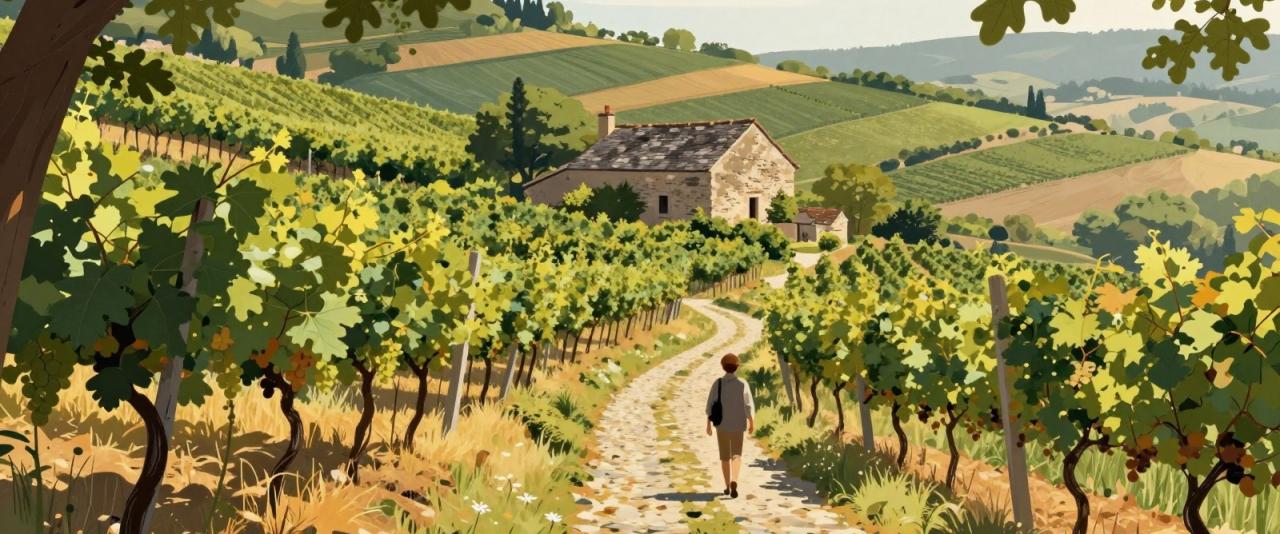
Most visitors to Burgundy follow the Route des Grands Crus between Dijon and Beaune, past some of the most famous vineyards in the world. It is worth seeing, but the region's quieter wine areas are where you are more likely to find unhurried tastings, lower prices and family estates happy to talk. This self-drive route starts on the classic road and then heads south into the Côte Chalonnaise, with optional detours to the Hautes-Côtes and the Mâconnais.
Before You Set Off
- Appointments: Many domaines receive visitors only by appointment, especially the smaller ones. Email or phone a few days ahead. Village tasting cellars (caveaux) and larger houses are more likely to accept walk-ins.
- Timing: Many estates close for lunch, roughly from noon to 2pm, and on Sundays. During the harvest, usually in September, winemakers are busy and visits are limited.
- Drinking and driving: France's legal limit is 0.5 g of alcohol per litre of blood, and 0.2 g for drivers with a probationary licence. Use the spittoons, share the driving, or buy bottles to taste later.
- Base: Beaune, Chagny or Chalon-sur-Saône all work well for this route.
Day One: Dijon and the Côte de Nuits
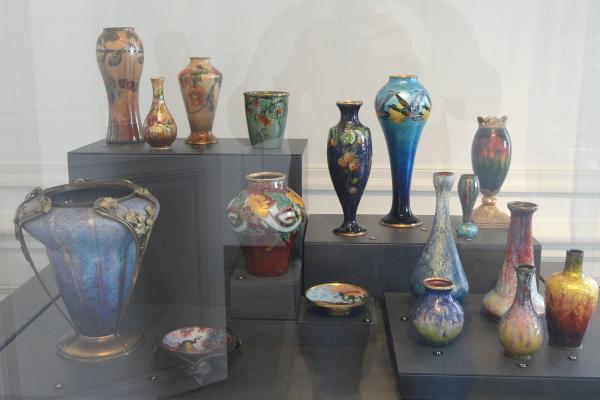
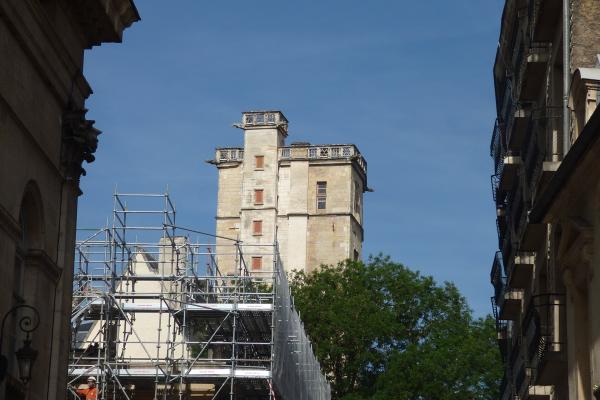
Begin in Dijon, whose Musée des Beaux-Arts, in the former palace of the Dukes of Burgundy, has free entry to its permanent collection and helps explain the region's medieval wealth. Then follow the signed Route des Grands Crus south. It passes through Gevrey-Chambertin, Morey-Saint-Denis and Chambolle-Musigny, villages where the narrow vineyard plots, known as climats, are listed together as a UNESCO World Heritage Site since 2015. Stop at the Château du Clos de Vougeot, a former Cistercian estate with huge medieval wine presses, then continue to Nuits-Saint-Georges.
A Detour into the Hautes-Côtes
West of the main road, the Hautes-Côtes de Nuits and Hautes-Côtes de Beaune sit higher up, among woods, pasture and scattered vineyards. Their wines are lighter and much more affordable than the famous appellations below, and the small roads see little traffic. The villages around Marey-lès-Fussey and Nantoux make a peaceful loop. This area is also known for blackcurrant growing, used in crème de cassis, a Burgundy speciality.
Beaune
Spend a night in Beaune, the wine capital of the Côte d'Or. The Hospices de Beaune (Hôtel-Dieu), a 15th-century hospital with a patterned glazed-tile roof, is the town's essential sight, and its charity wine auction is held each November. The Cité des Climats et vins de Bourgogne, opened in 2023, gives a clear introduction to the region's appellations and vineyard geography. For a quieter alternative to Beaune's busy tasting rooms, drive a few minutes west to the small villages of Saint-Romain, Auxey-Duresses and Saint-Aubin, whose wines remain good value.
Day Two: The Côte Chalonnaise
South of Chagny, the Côte Chalonnaise is the quieter heart of this route. Its five village appellations make an easy circuit:
- Bouzeron, the only village appellation devoted to white wine made from the Aligoté grape.
- Rully, known for both whites and reds and for its long history of making sparkling Crémant de Bourgogne.
- Mercurey, the largest of the five, mostly producing red wine from Pinot Noir.
- Givry, another mainly red-wine village, with a small historic centre.
- Montagny, which makes only white wine from Chardonnay.
A good plan is to visit Rully and Bouzeron in the morning, then Mercurey, Givry and Montagny in the afternoon. In Chalon-sur-Saône, the Maison des Vins de la Côte Chalonnaise offers tastings across all these appellations, which helps you decide which estates to visit. For a car-free day, the Voie Verte cycle path runs south from near Givry through the vineyards.
Optional: The Mâconnais and Chablis
If you have a third day, continue south to the Mâconnais, best known for white wines such as Pouilly-Fuissé. The limestone Roche de Solutré rises above the vineyards and can be climbed on a short, steep path for wide views. Alternatively, in the north of Burgundy, Chablis and the nearby red-wine village of Irancy make a separate trip from Auxerre, about two hours from Beaune.
When to Go
Late spring and early autumn are the most pleasant times for a driving tour, with long days and green or golden vineyards. October, after the harvest, brings autumn colour and a calmer pace, while November is the month of the Hospices de Beaune auction. Summer is busy around Beaune but still quiet in the Côte Chalonnaise. Some smaller estates close for holidays in August, so confirm before planning a visit.